 English
  Nederlands
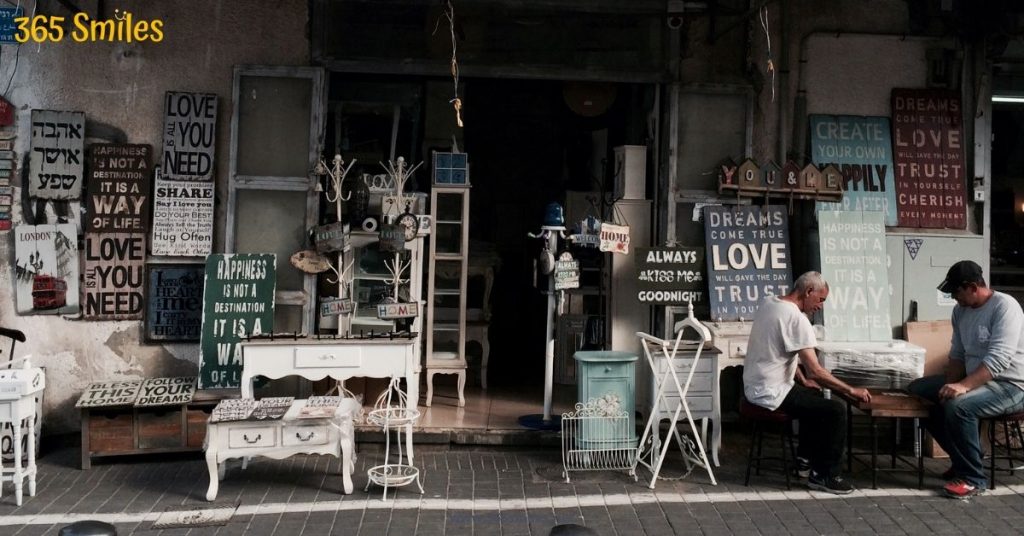
I have a friend who is a real second hand freak. Her house is full of great stuff and she wears hip designer vintage clothing (for next to nothing!). She takes pride in giving things a 2nd life and “rescuing” them from the landfill, so to speak.
Most of us don’t immediately think of buying second-hand when we need something. But there are a number of advantages to shopping second-hand that you may not have thought of before.
YOU SAVE MONEY
The most obvious benefit of buying used items is the lower purchase price. Many people don’t realize how many items are available for sale second-hand – from clothing to furniture – and that they are often of better quality than new items!
IT’S GOOD FOR THE ENVIRONMENT
When you consider how much we consume every day and how much we throw away, it’s not surprising that the environment suffers. It’s shocking when you realize what it takes to produce, transport and pack a new dress, for example. Buying second-hand products, which would otherwise be thrown away even though they are still in good condition, prevents excess waste. Second-hand shopping therefore helps you to do your bit for the environment.
IT’S EXCITING
We all love a good bargain. Taking the time to explore a second-hand store is actually a treasure hunt. You may not always find what you’re looking for, but often it’s the unexpected purchases that give us the most pleasure. Part of the excitement of secondhand shopping is that you will find something unique that not everyone has or is walking around with. Besides, fantasising about the past life of your new “old” table has its charms, doesn’t it?
IT’S BETTER FOR LOCAL BUSINESSES
In our cities, the big chains have taken the place of local retailers. By shopping second hand you are supporting the local smaller business.
Plus, there are usually fewer people in second-hand stores and you get more service.
IT GIVES YOU A CLEAN CONSCIENCE
The clothing industry is, unfortunately, one of the most unethical industries in the world. Producing clothes also requires the use with chemicals such as dyes and fabric glue, which are harmful to both the environment. By giving clothes a second or third life, you are not contributing money to the clothing industry. The impact of your actions may seem insignificant, but imagine if everyone started shopping this way?
Tip for Today
There’s nothing like finding a good deal, having a clean conscience, supporting the local economy and having original stuff. So buy once in a while also second-hand products.
A small sample of the options available for selling/buying second-hand:
Online:
- LabelCrush (Belgium): online platform reselling designer clothes
- Vaniitas (Belgium): online platform reselling designer clothes
- Labels Inc (Belgium): online platform (and offline retail outlet) reselling designer clothing
- My Kids Factory (Belgium): online platform reselling designer kids clothes
- The Next Closet (the Netherlands): online platform reselling designer clothes
- United Wardrobe (the Netherlands): online platform reselling vintage clothes
- Vestiare Collective (France): online platform reselling luxurious clothes
- Asos Marketplace (UK): online platform reselling clothes
- Closet49 (Kenya): online platfrom reselling clothing
- Otters en Flamingo’s (Belgium): online platform reselling children and baby clothes
- Cazou (the Netherlands): online platform reselling clothing for young parents
- Traditional second-hand sites with separate sections for clothing, such as eBay and 2dehands.be
Offline:
- Think Twice has more than 10 second-hand stores all over Belgium
- De Kringwinkel
- Several local initiatives reselling designer clothing, such as Rosier41 in Antwerp, to name just one example.
- ‘Netwerk Bewust Verbruiken’ (conscious consumer network) offers a list with extra inspiration on where to buy and sell second-hand items.
- Closet Sale @ Kerk Gent is an event every two months, where you can buy and resell clothing in a cosy setting.
(resource: Flanders DC & Circular Flanders – Close the loop)